
The Allure of Risk and Reward
The psychology behind casino games is deeply intertwined with the allure of risk and reward. Many players are attracted to the thrill of potentially winning large sums of money, which triggers a dopamine response in the brain. This chemical reaction creates feelings of pleasure and excitement, leading players to engage repeatedly in gambling activities. The possibility of winning, even if the odds are against them, can be enticing enough to overshadow the risk of losing money, especially when exploring online pokies australia that offer high payouts. This dynamic is particularly pronounced in games with high payouts, such as slot machines and poker, where the potential reward feels disproportionately larger than the initial investment.
The concept of risk and reward creates a powerful psychological dynamic. Gamblers often find themselves in a cycle where the highs of winning momentarily erase the lows of previous losses. This cycle can become addictive as players chase the euphoric feelings associated with wins, leading to continued engagement with the games. The anticipation of winning not only strengthens the appeal of the games but also influences decision-making processes, often leading individuals to place bets they may normally avoid. The brain’s reward system reinforces this behavior, making it difficult for individuals to resist the lure of the next possible win.
Moreover, the environment of casinos is designed to enhance this psychological effect. Bright lights, vibrant colors, and the sounds of winning create an atmosphere that stimulates excitement. These sensory inputs can manipulate perceptions of time and risk, making it difficult for players to gauge how much they’ve spent or how long they’ve played. This immersive experience can lead players to invest more time and money than initially intended, further emphasizing the complex relationship between psychology and gambling behavior. The design elements of a casino are not mere aesthetics; they play a crucial role in maintaining player engagement and facilitating prolonged gambling sessions.
The Role of Cognitive Biases
Cognitive biases play a significant role in how players perceive chances and outcomes in casino games. For instance, the “gambler’s fallacy” is a common cognitive bias where players believe that past outcomes can influence future results. A player may think that after several losses, they’re “due” for a win, leading them to continue betting beyond their initial intentions. This misconception often results in further losses, yet the hope of reverting to winning streaks can be hard to resist. Understanding this bias is essential for players who wish to adopt a more rational approach to gambling.
Another prevalent bias is the illusion of control, where players mistakenly believe they can influence random outcomes. In games of chance like slots or roulette, players might think that their strategies or rituals can sway the results. This notion can lead to an increased sense of agency and encourage more frequent play, as players seek to reinforce their belief in their control over the outcomes. Casinos often exploit this bias by allowing players to engage in actions that reinforce their sense of control, such as selecting their own numbers or spinning the reels at will. This psychological manipulation can significantly heighten the gambling experience.

Additionally, casinos often employ tactics that exploit these cognitive biases. By structuring the games and environment in a way that reinforces winning streaks or providing frequent small wins, casinos amplify the feeling of control and success. These tactics not only enhance player engagement but also contribute to the powerful psychological pull that casino games have on individuals. Understanding these biases can help both players and observers become more aware of the psychological traps that can lead to excessive gambling. Awareness is the first step toward mitigating the risks associated with gambling behavior.
The Influence of Social Interaction
Social interaction is another critical component of the psychological experience of casino gaming. Many players are drawn to the social aspect of gambling, whether it’s playing card games at a table or celebrating a win with friends. This communal aspect can significantly enhance the overall experience, creating a sense of belonging and shared excitement. The presence of other players can amplify emotions, as individuals feed off one another’s enthusiasm. This shared experience can lead to prolonged gambling sessions, as players are encouraged to stay longer in the company of friends or fellow gamblers.
Furthermore, the presence of others can amplify emotions and influence decisions. Social proof, the tendency to look to others for guidance on how to behave, plays a role in how individuals gamble. Observing others win can encourage new players to join in or increase their bets. Conversely, the camaraderie and support from fellow players can help mitigate feelings of loss, ultimately reinforcing continued participation in gambling activities. This social dynamic can create a feedback loop, where the presence of others leads to increased betting, which in turn generates more excitement and engagement.
However, the social aspects of gambling can also lead to negative outcomes. Peer pressure can drive individuals to gamble more than they intended, as the desire to fit in or impress peers takes precedence over rational decision-making. This social dynamic can contribute to addictive behaviors, where the fear of missing out or disappointing friends prompts players to chase losses or engage in riskier bets. The delicate balance between social interaction and personal gambling behavior highlights the need for mindfulness and self-regulation in these environments. Understanding the influence of social dynamics can help players recognize when their behavior is being swayed by external factors.
The Psychological Impact of Wins and Losses
The psychological impact of wins and losses in casino gaming is profound and multifaceted. Winning can create a powerful rush of emotions, fostering feelings of joy and accomplishment that can be addictively rewarding. Players often experience a surge of confidence and may believe they have the ability to replicate their success, which can lead to increased betting and risk-taking. In this way, the psychological benefits of a win can fuel further gambling behavior, often blurring the lines between enjoyment and compulsion.
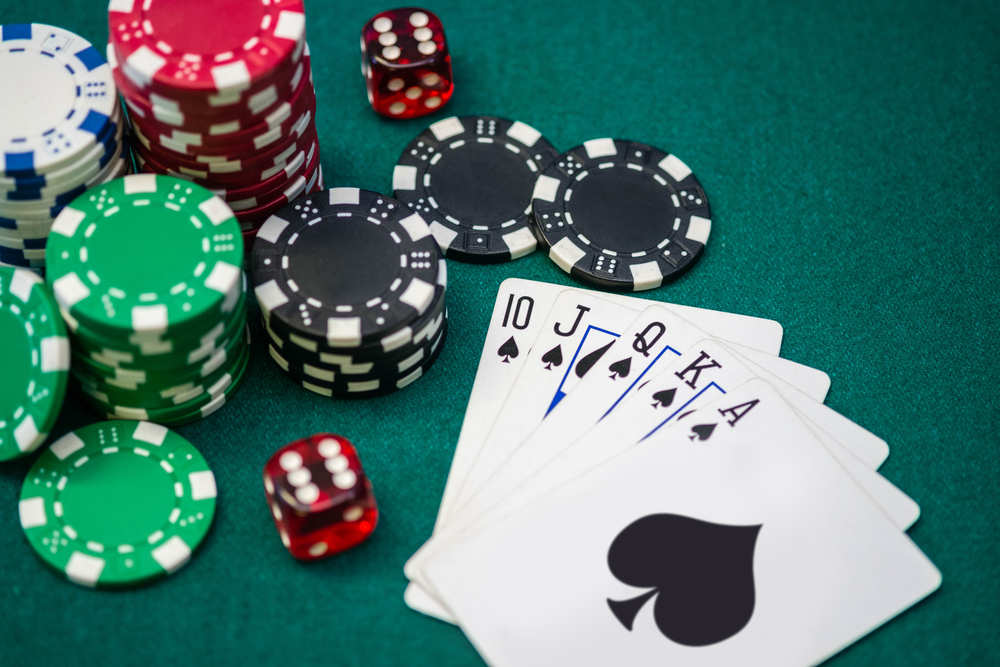
Conversely, losses can have a detrimental effect on an individual’s mental state. Many players experience a range of emotions, from disappointment to frustration and even despair. This emotional rollercoaster can lead to a vicious cycle where individuals continue to gamble in hopes of regaining their losses. The concept of loss aversion—the idea that losses are felt more acutely than gains—often drives players to chase their losses rather than walk away. This psychological phenomenon can lead to a dangerous path of excessive gambling and financial hardship, as players struggle to break free from the cycle of chasing losses.
Additionally, the impact of wins and losses extends beyond immediate emotions. Over time, frequent losses can erode self-esteem and lead to a mental health decline. Players might find themselves involved in gambling as a means of escapism, using it to cope with stress or anxiety. These psychological ramifications can create a complex interplay between gambling behavior and emotional health, underscoring the need for awareness and support systems for those engaged in these activities. Acknowledging the psychological impact of gambling is crucial for developing strategies that promote healthier gaming practices.
Understanding Responsible Gambling Practices
Understanding the psychology behind casino games is essential for promoting responsible gambling practices. Awareness of the psychological triggers, biases, and social factors involved can empower players to make informed decisions about their gambling habits. Responsible gambling entails recognizing one’s limits, setting budgets, and understanding that the outcomes of games are inherently random and not influenced by previous outcomes or strategies. This understanding can help mitigate the risk of developing harmful gambling behaviors.
Moreover, education about the psychological aspects of gambling can foster a culture of accountability among players. It’s vital for casinos to promote responsible gambling initiatives that encourage players to take breaks, seek support, and educate themselves about the risks involved. By providing resources and support systems, casinos can help mitigate the negative consequences of gambling, leading to healthier gaming habits. These initiatives not only benefit individuals but also contribute to a more sustainable gambling environment overall.
Ultimately, fostering a deeper understanding of the psychological elements at play can lead to a more balanced approach to gambling. Encouraging responsible practices and promoting awareness can protect players and their loved ones from the potential pitfalls of excessive gambling. By embracing these principles, the gambling community can work towards creating a safer, more enjoyable environment for all players. This commitment to responsible gambling is essential for ensuring that the thrill of casino games remains a source of entertainment rather than a source of distress.